Your First Day at a Test Match: A Low-Fuss Viewing Plan
A first day at a Test match is easier to enjoy when you choose one session, read a few scoreboard cues and leave space for the ground’s slower rhythms.
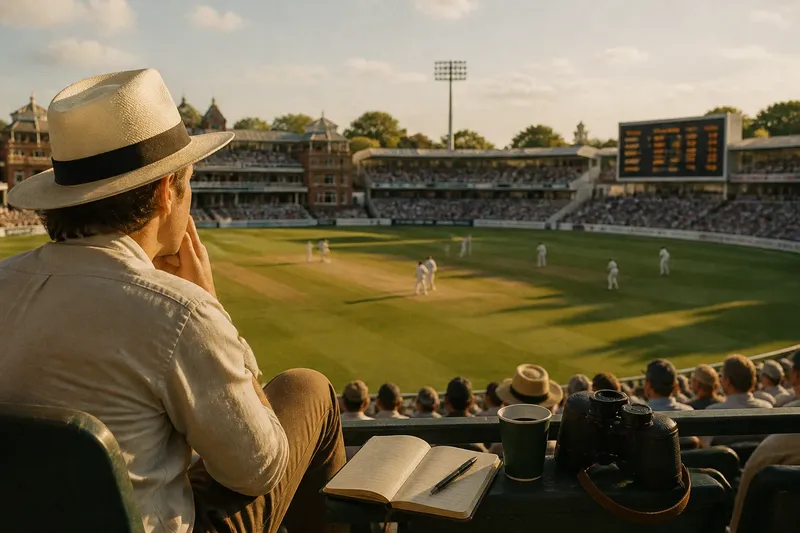
The most common mistake on a first day at a Test match is trying to follow every ball with equal intensity. That can turn a relaxed day into a running test of concentration, and leave little attention for the ground itself. A better plan is to choose one session to watch closely, use the scoreboard to keep your bearings, and let the pauses be part of the visit.
There is no single right way to spend a day at the cricket. You might settle into a full session, move between the stands and concourse, or follow the action in short spells. The useful question is not which approach is most devoted, but which one suits your energy, company and curiosity.
Which viewing approach suits your day?
Think of a Test day as a long walk with places to stop, rather than a film that demands your eyes every moment. The action is continuous, but your attention need not be. These three approaches offer different balances between close watching and taking in the occasion.
Stay in your seat for one session
Choose this if you want to learn how an innings develops. Watching the same batter face several overs makes small changes easier to spot: a guarded leave outside off stump, a firmer push into the covers, or a bowler changing pace after a boundary. You do not need to understand every tactic. Simply noticing how the contest shifts from ball to ball gives the session a thread.
This approach also suits a first visit with a clear centrepiece. You might choose the opening session, when the ground is settling into the day, or the final session, when the light and match situation can make each passage feel different. Your chosen session is a focus, not a promise to sit without a break.
Watch in short spells and take breaks
Choose this if a long spell in one seat sounds tiring, or if you are visiting with children or friends who prefer to move around. Watch a few overs, check the scoreboard, then take a walk or get a drink during a natural pause. Returning with a simple question—who is bowling, and what has changed?—helps you reconnect without needing to reconstruct every delivery.
Short spells can make the day feel spacious, but frequent wandering may make an innings harder to follow. Give yourself a little time in the stand before moving on, particularly if a new batter has arrived or a bowler has just changed ends.
Make the ground itself part of the visit
Choose this if the social side of matchday matters as much as the contest. The crowd’s response, the changing light, the view from a different part of the ground and the quiet between overs can all shape the day. You can still follow the match by checking the score at intervals and keeping an eye on who is batting.
This option works well for a group with mixed levels of cricket interest. One person can explain a wicket or a field change without expecting everyone else to watch every ball. The trade-off is that a brief visit away from your seat can coincide with an important moment, so use the scoreboard to regain your place in the story.
How do you choose one session to watch closely?
Start with your own day, not a rule about the “best” session. Consider when you can arrive, how long you are comfortable sitting, and whether you would rather see the start of an innings or a later passage with a clearer match situation. If you are attending with someone else, agree on a broad plan before play begins; it is easier to adjust later than to negotiate every break.
- Choose the opening session if you enjoy settling in and watching the first exchanges. A new ball may be in use, and the first few overs can introduce the bowlers’ lines and the batters’ approach.
- Choose the middle session if a gradual build suits you. The innings may have a shape by then, and you can watch whether the batting side is defending, rotating the strike or taking more risks.
- Choose the final session if you prefer a late-day change of mood. The score and remaining time may give you useful context, though the match can be at any stage.
These are ways to choose, not promises about what will happen. A session can bring a cluster of wickets, a patient partnership or a pause for weather. If you have no preference, pick the stretch that fits your arrival and energy, then let the cricket provide the day’s shape.
Say you arrive with a friend after lunch and have both watched little cricket. You decide to stay in your seats for the first part of the afternoon, follow one batter’s innings and check the board whenever the over ends. If attention fades, you take a break and return for another spell. The observable result is a day with one clear thread, rather than the pressure to account for every ball.
Which scoreboard cues are enough to follow play?
A scoreboard can look crowded, but a handful of cues will keep you oriented. Read the main score first, then look for the number of wickets lost and the overs completed. Those tell you how much of the innings has been used and whether the batting side still has many established batters available.
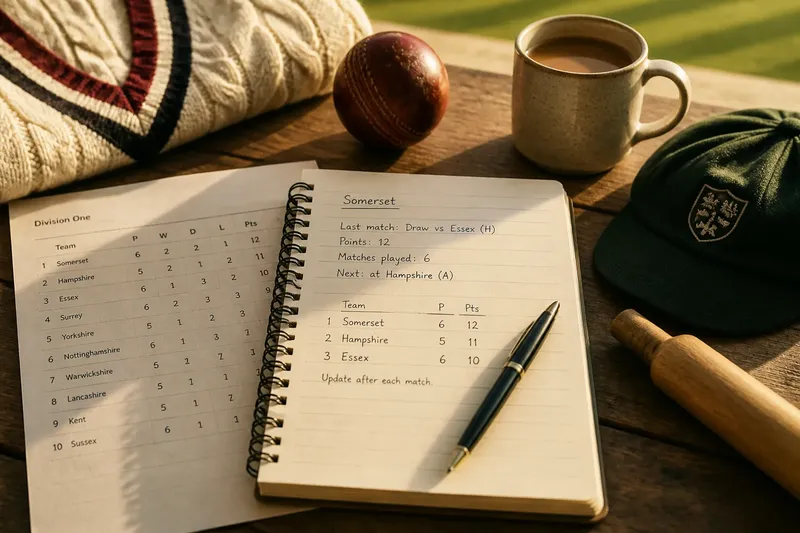
- Runs and wickets: a score such as 82 for 2 means the side has made 82 runs and lost two wickets. The runs show the total; the wickets show how much of the batting line-up has been used.
- Overs: this shows how many overs have been completed. It gives a sense of the innings’ progress, but do not treat it as a clock: the length of a day’s play depends on its schedule and stoppages.
- Striker and non-striker: the striker faces the next delivery. The other batter waits at the opposite end. Their individual scores can help you see who is settled and who has just arrived.
- Bowler figures: these commonly show overs, maidens, runs conceded and wickets. For a first visit, notice whether the bowler is keeping runs down or taking wickets; there is no need to memorise every column.
- Innings and target: the board may identify which innings is in progress or show a target when one applies. This helps explain whether a side is building a total, replying or chasing.
Scoreboards vary in layout, so follow the labels on the board rather than assuming every ground displays information in the same order. If a number puzzles you, ask a nearby spectator between overs. A simple question often leads to a useful explanation without interrupting anyone’s concentration.
What can you notice without knowing every law?
Pick one small detail to watch at a time. You could follow where the bowler pitches the ball, whether the batter leaves it, or where the fielders are standing. A wicket is easy to recognise as a change in the batting pair; you can then use the board to see who has come in and what the score was before the dismissal.
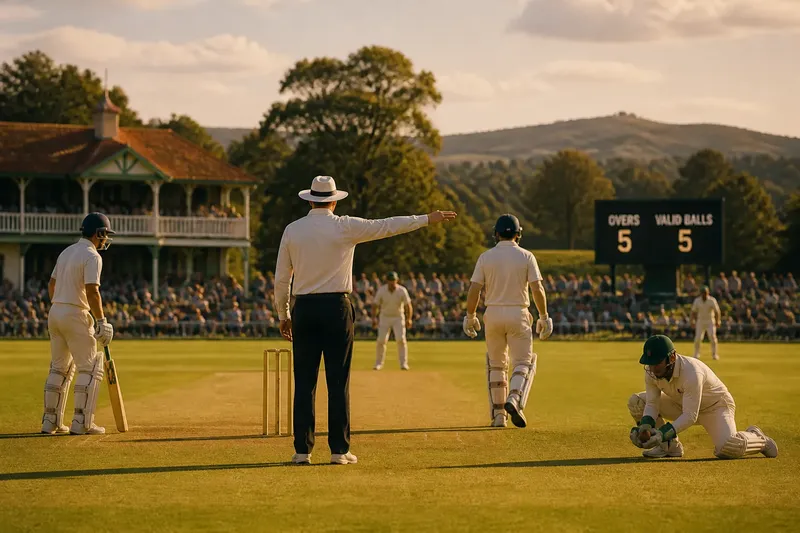
Listen for the crowd’s reaction, but treat it as a clue rather than a full explanation. A cheer may mark a boundary, a wicket or a close appeal. The umpire’s signal and the scoreboard usually clarify the outcome. If the crowd falls quiet after a delivery, that may simply mean the ball was defended and the players are resetting.
For a first visit, it is fine to understand events in broad terms. You do not need to know every fielding position or dismissal to enjoy the contest between bowler and batter. A pocket-sized programme or the ground’s information board may help with names and the day’s schedule, while a companion can fill in details as they arise.
How can you make breaks part of the plan?
Pauses are not empty space around the match. The reset between overs gives you time to check the score, stretch your legs or talk through what just happened. A longer interval is a natural point to leave your seat, find refreshments or look at the ground from another spot, then return ready for the next passage.
Before play, check the venue’s guidance for entry, bags, food and permitted items. Bring only what you need for the forecast and the length of your visit: suitable clothing, any allowed sun protection, and water if the ground permits it. Follow the venue’s own instructions for these practical details, since arrangements differ from ground to ground.
Keep your attention flexible. If a batter has just reached the crease, stay for a few overs before heading away; if play is paused, use that moment for a break rather than trying to guess how long it will last. On returning, take in the score, wickets and current bowler before settling back into the action.
What do first-time visitors often ask?
Do I need to watch every ball at a Test match?
No. Follow a session closely if you want to learn the rhythm, then take breaks when you need them. The scoreboard and the next over will help you reconnect.
Is a session the same as an innings?
No. A session is a scheduled part of the day’s play, while an innings is a side’s turn to bat. An innings can continue across sessions or days.
What should I look at first on the scoreboard?
Start with runs, wickets and overs, then check which batters are at the crease. Those cues give you a useful snapshot without requiring you to read every figure.
Can I leave my seat during play?
Usually, spectators can move around, but entry and seating arrangements vary by venue. Check the ground’s guidance and use a break between overs where practical.
How do you choose between the three approaches?
Use your attention and company as the deciding factors. If you want a clearer feel for how a contest develops, stay seated for one session. If sitting still is not appealing, watch in spells and make breaks deliberate. If you are there mainly for the shared day out, treat the ground as part of the experience and use the board to keep the match in view.
You can also combine them: settle in for a chosen session, take a proper break, then spend the remaining time moving at your own pace. For your first day at a Test match, that simple viewing plan gives you enough structure to follow the cricket without turning every pause into something to fill. The best practical measure is whether you can still say who is batting, what the score is and what you would like to watch next.