The Wicketkeeper’s View of the Game
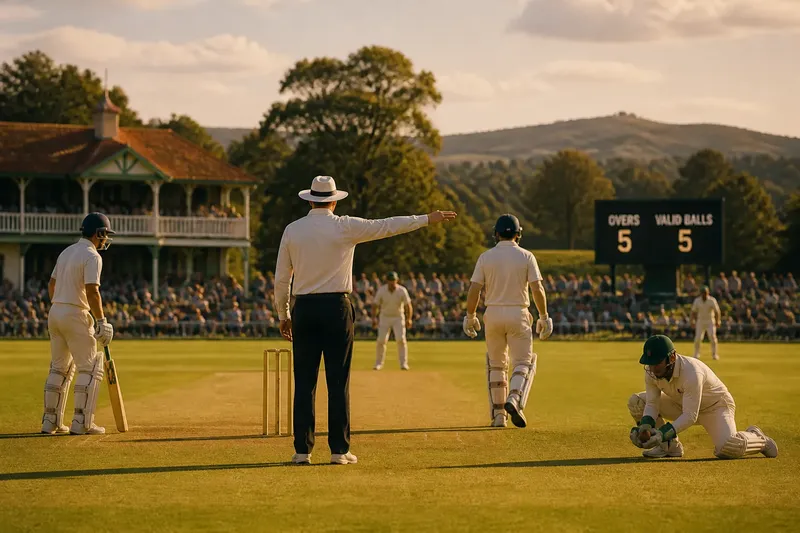
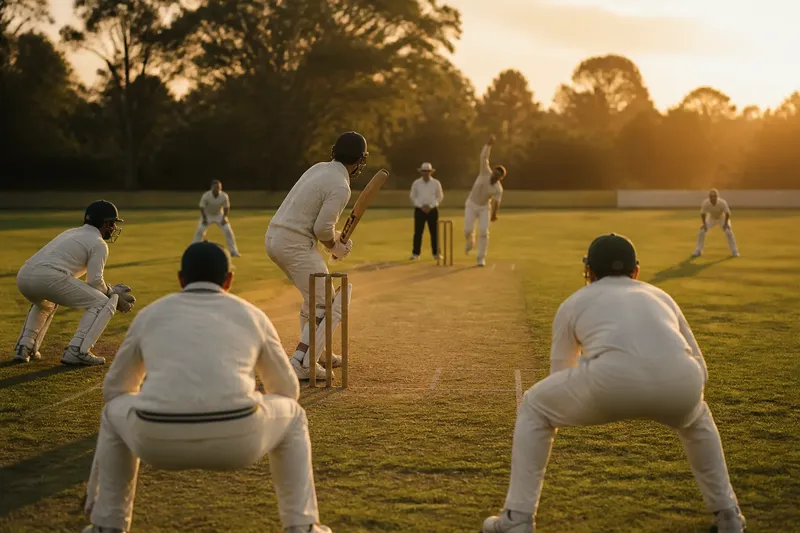
The wicketkeeper’s view of the game helps you read stance, movement and calls, so you can follow how the keeper supports each delivery and the field.
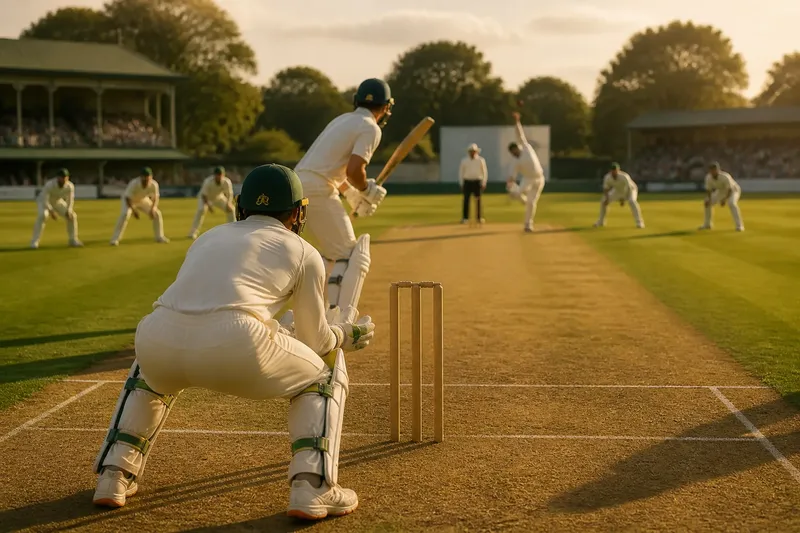
The common mistake when watching a wicketkeeper is to focus only on catches and missed chances. That can make you miss the keeper’s preparation and communication, and the clues those offer about the fielding plan. The wicketkeeper’s view of the game gives you another angle on each delivery, though it is only one angle: the bowler, batter, captain and fielders all see different details.
What makes the wicketkeeper’s view different?
Behind the stumps, the keeper looks towards the batter and bowler from a position unlike that of most fielders. The keeper may notice a batter’s movement across the crease, balance or response as the ball approaches. Those details can suggest what the batter might try, but they do not predict the shot or result.
Think of watching a door swing from its hinge rather than from across the room: the movement looks different from close by. The keeper’s view can reveal useful details, but it is not automatically the best view of everything. The batter may obscure the ball’s path, and the keeper’s angle can make some events harder to judge than they are for an umpire or another fielder.
How does the keeper prepare for a delivery?
The keeper adopts a balanced position suited to the expected delivery. A keeper may stand further back to receive a fast ball, while standing nearer the stumps can help against slower bowling. Neither position is automatic: the bowler’s pace, expected bounce, playing conditions, batter’s movement and keeper’s technique all matter.
Hands ready, a steady head and a stance that allows movement in either direction help the keeper respond. The exact position is a matter of judgement, not a fixed rule of technique. For instance, a keeper who expects the batter to advance may need to be ready to move towards the stumps; that does not mean moving early before the ball’s path is clear.
The keeper also checks the field and understands the plan for the over. With slips in place, the keeper may be alert to an edge. Against a batter who advances to spin, the keeper may be ready to gather and attempt a stumping if the batter misses and is out of their ground. These are possibilities to prepare for, not predictions.
What can the keeper read as the ball travels?
The keeper tracks the ball and the batter’s response, then adjusts to the ball’s actual path. Line, bounce and contact with the bat or body can all affect where the ball travels. The keeper should not assume that it will arrive at a particular height or speed based only on the bowler’s release.
A batter stepping out can create a stumping opportunity if the ball is missed and the batter is outside the crease. An edge may travel towards a slip, while contact with the pad or body can change the direction. The keeper must judge each delivery as it unfolds.
Quick movement needs control. Reaching too early on a false cue can leave the keeper out of position; a delayed or unbalanced movement can make a take difficult. The keeper’s first response depends on the delivery and stance, so there is no single movement that fits every ball.
How does the keeper communicate with the team?
Between deliveries, the keeper can share a concise observation about the batter or ball. For instance, noting that a batter repeatedly moves across the crease gives the bowler and captain something specific to consider. They decide whether to change the plan; the keeper’s role is to report what is visible from their position.
Calls during play should be clear and timely. The keeper may call for a catch, warn a teammate or provide a target for a return throw. When more than one fielder could reach the ball, a clear call can reduce hesitation. The keeper should also listen to the bowler and nearby fielders rather than turning communication into a running commentary.
What does the keeper do after the ball is hit?
After contact, the keeper supports the fielding response by following the ball, calling when needed and preparing for a return. If a fielder gathers the ball in the deep, the keeper may offer a visible target near the stumps when a run-out chance is developing. The keeper should stay clear of the fielder’s route and be ready to collect the throw.
Say a batter edges a fast delivery towards the slips. If the ball is within the keeper’s reach, the keeper attempts the catch; if a slip fielder is better placed, the keeper calls clearly and backs up the play. The practical result is that the nearest fielder can take responsibility while teammates avoid crowding or leaving the ball unsupported.
How can the keeper’s view help explain a bowling plan?
Against pace, the keeper may notice how a batter responds to movement and bounce, such as reaching forward or moving across the crease. The keeper can report a repeated pattern to the bowler and captain, but should not treat a single movement as proof that a particular line or length will work.
Against spin, a keeper may stand closer to the stumps to respond if the batter advances, or further back to allow more time to deal with the ball. The choice depends on the bowler, conditions, batter and keeper’s judgement. A position that suits one delivery or player may not suit another.
The keeper can also report when the batter is leaving deliveries comfortably or moving early. The captain weighs that observation alongside the bowler’s view and the field available before deciding whether to adjust the plan.
What questions do viewers ask about wicketkeeping?
Why might a keeper stand further back for a fast bowler?
Standing further back can give the keeper more time to respond to pace and bounce. The appropriate distance still depends on the bowler, conditions and keeper’s technique.
Why might a keeper stand close to a spinner?
A closer position can help the keeper reach the stumps if a batter advances and misses the ball. The keeper must also judge the expected bounce and stay ready to take the ball.
Can the wicketkeeper advise the bowler?
The keeper can share observations about the batter’s movement or the ball’s behaviour. The bowler and captain decide whether to change the plan, so advice should be concise and based on what the keeper can see.
What is the keeper doing when the ball is not coming their way?
The keeper remains alert to the batter and the likely next play, and may back up the fielding response. Between deliveries, the keeper can communicate with the bowler or help the field reset.
What should you watch for from the stands?
Before the bowler starts, notice where the keeper stands and whether that position changes with the bowler or batter. As the ball passes the batter, watch the keeper’s first movement and listen for calls when the ball travels towards the slips or another fielder.
These observations make the wicketkeeper’s view of the game easier to follow without treating it as a complete account of the delivery. The keeper’s position and calls can show what the team is preparing for, while the ball’s actual path decides what happens next.